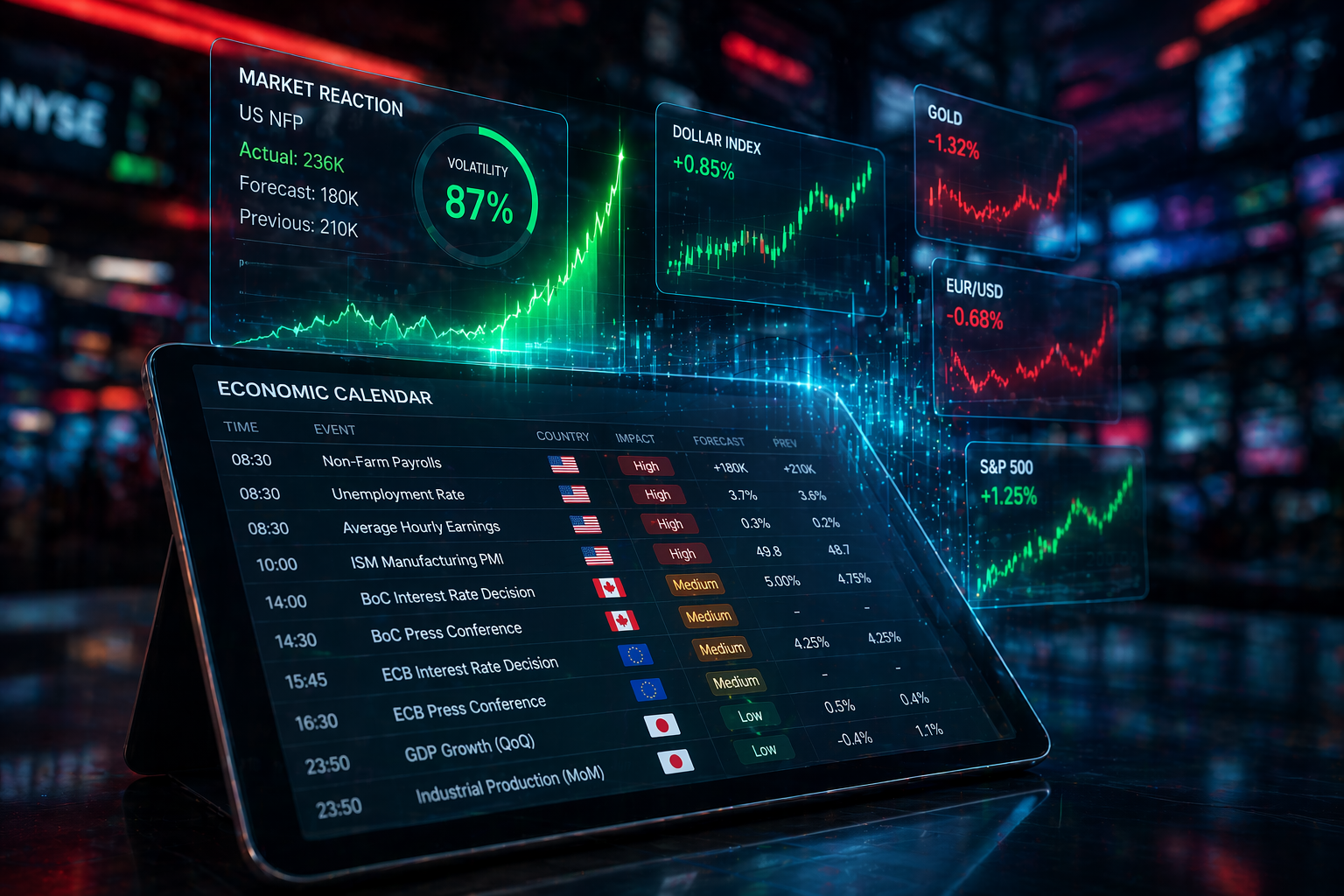
As Warren Buffett once said, information is the key to success in the market. In trading, this principle holds especially true. A trader who knows in advance when major macroeconomic data will be released gains a significant edge and can plan trades with less risk. In this article, we explain how to effectively integrate the economic calendar into your trading practice.
All posts
4 min
This article is devoted to an economic index called Cost of Goods Sold: what it is, what it is used for, how it is calculated, and what accounting methods it has.
5 min
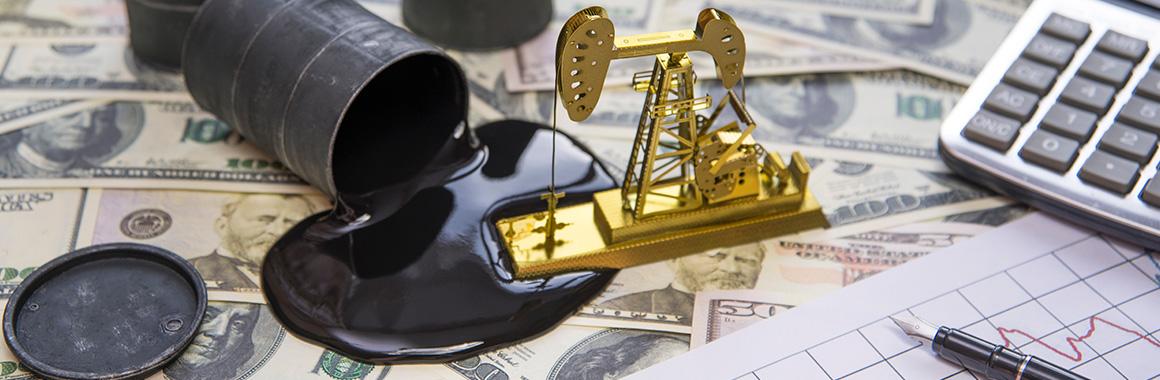
The EIA report on the changes in the US oil inventories has a great influence on the quotations of black oil. Traders and investors assess the data carefully and use them for short-term and long-term trading.

6 min
This article is devoted to the PMI (Purchasing Managers Index), its influence on the currency market and its use in trading.

5 min
This overview is devoted to such macroeconomic indices as Personal Income and Personal Spending and their influence on the currency market.
4 min
This article is devoted to Trade Balance, its influence on the national currency, and its use in Forex trading.

16 min
This article is about the PPI (Producer Price Index), its peculiarities and ways of using it in the market.

6 min
The publication of the unemployment rate data may noticeably increase market volatility. Many traders call Non-Farm Payrolls an index that moves markets, however, it cannot reverse the current trend.

6 min
In this review, we will get acquainted with a useful news indicator FFcal. It tracts the publication of important news and reflects them directly on the price chart.

13 min
Let us have a look at the main economic indices and their influence at the currency rates. The knowledge and understanding of these indices are the basics of fundamental analysis and forecasting of price movements.

5 min
Non-Farm Payrolls (NFP) are essential data on employment in the USA, which shows changes in the number of employees out of the agricultural sector of the country during the last month. The indicator is based on a poll answered by some 400,000 companies and 50,000 households. Empirically, it has been figured out that if the NFP increases stably by +200,000 every month, the GDP surplus equals roughly 3%.

6 min
The influence of fundamental data on the dynamics of financial instruments is studied by a special type of analysis – fundamental analysis, an integral part of any trader training program. Fundamental analysis is applied to regularly published macroeconomic indices of certain countries and the world economy on the whole as well as to political events, relevant for the financial world.